
Biological Darkness: The Forgotten Nutrient of Human Health and the Built Environment
Why the absence of light is as biologically essential as daylight and how modern buildings deprive us of both
Light has dominated architectural thinking for over a century. Daylight factors, lux levels, glare indices and luminous efficacy are embedded in standards, planning policy and design culture. Darkness, by contrast, has too often been treated as a void to be eliminated, a problem to be solved with brighter lamps and longer operating hours.
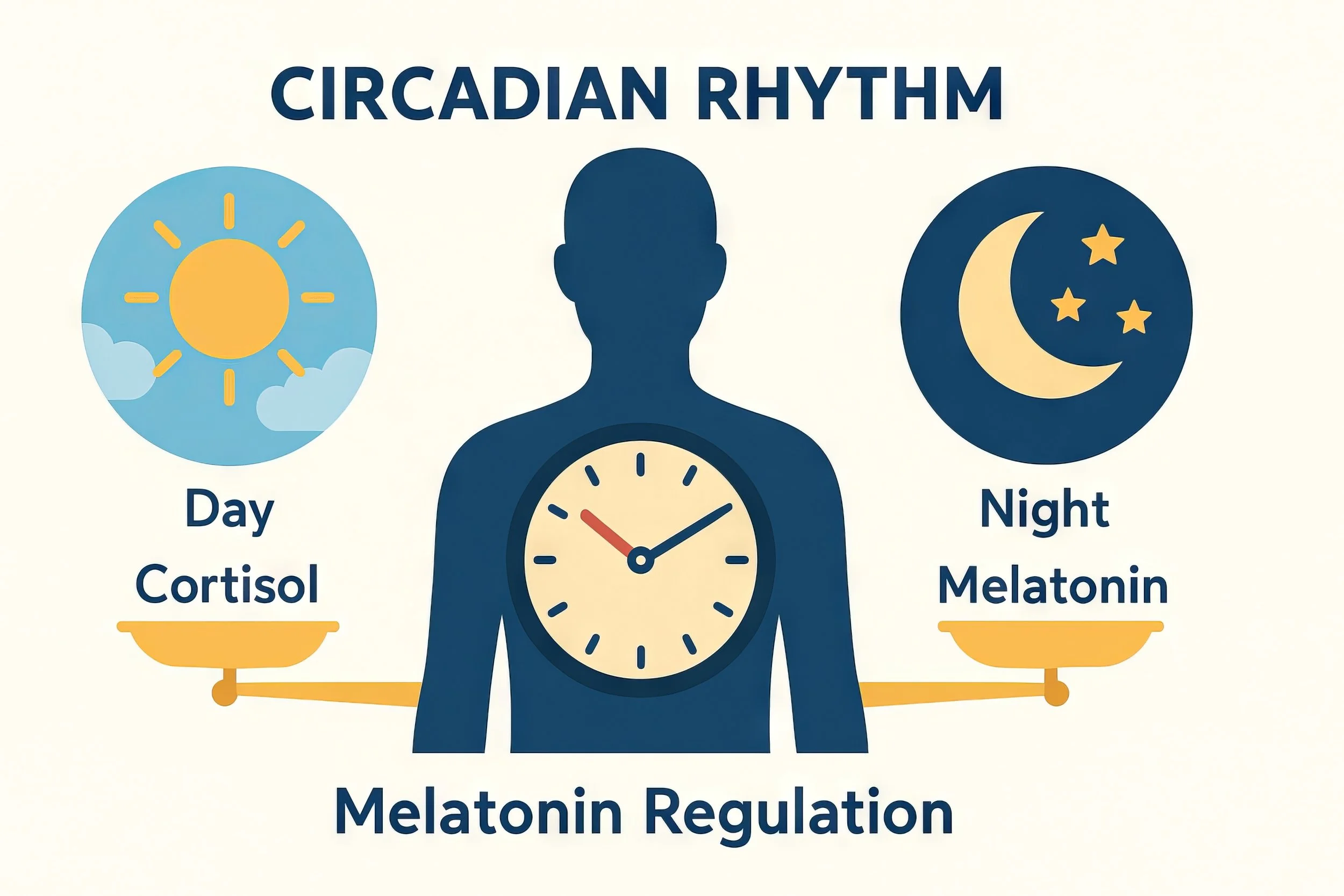
Yet biology tells a more complex story. Human physiology evolved under predictable cycles of bright days (in outdoor daylight) and genuinely dark nights. Darkness is not simply the absence of light but an active biological signal that regulates hormones, metabolism, immune repair, emotions and cognition. When darkness is eroded, health consequences follow.
The term biological darkness has emerged from chronobiology and neuroscience to describe lighting conditions that are insufficient to support normal ‘circadian signalling’ or ‘biological clock’ (and therefore optimum sleep-wake cycles and daytime energy levels). Crucially, biological darkness should (but cannot) occur at night when spaces are too bright. Whereas biological darkness should not (but does) happen during the day when indoor environments are too dim. Modern buildings now produce both problems simultaneously.
1 — What Is Biological Darkness?
Defining a Misunderstood Concept
Biological darkness refers to environmental light conditions that fail to provide adequate circadian ‘daytime light’ cues for the human inner ‘biological clock’ (1). It is not synonymous with visual darkness and does not necessarily mean pitch blackness.
Biological darkness is a concept used to describe light levels low enough to permit melatonin (sleep hormone) secretion and night-time physiological processes. However, the term has expanded to include a paradox of modern life: people spending daytime hours in light levels so low that, biologically, the body interprets them as night-like.
Research led by Nowozin and colleagues (2) describes this phenomenon as ‘Living in Biological Darkness’ (LBD). Their studies imply that people in modern urban environments often spend most of the day in light environments with below 100 lux illumination (in the winter), far below the 1,000 to 100,000 lux light levels typically experienced outdoors (2).
Biological Darkness Is Not Visual Darkness
A room may appear adequately lit for reading or screen work, yet still be biologically dark. This is because:
Circadian photoreception is mediated primarily by ‘intrinsically photosensitive retinal ganglion cells’ (ipRGCs) in the eye
These cells are most sensitive to short-wavelength blue light
They require higher light intensities than vision to trigger robust circadian responses
As a result, a 300-750 lux office that meets visual standards (3) can still deprive the brain of meaningful daytime light signals (4).
2 — The Biology of Darkness and the Circadian System
The Suprachiasmatic Nucleus and Timekeeping
At the core of human circadian regulation lies the suprachiasmatic nucleus (SCN) in the hypothalamus (5). This cluster of neurons acts as ‘the master clock’, synchronising ‘peripheral clocks’ in organs such as the liver, gut, pancreas and immune system. (6)
Light and darkness reach the SCN through the eyes. Daytime light strengthens circadian health, whereas night-time darkness permits healthy nocturnal hormonal cascades.
According to Josephine Arendt’s work on melatonin, darkness is not passive but instructive. Melatonin secretion signals night-time, promotes sleep initiation, supports immune regulation and even seems to possibly act as an antioxidant (7).
Melatonin as the Darkness Hormone
Melatonin is a hormone that promotes sleepiness. Its production begins in dim light and is rapidly suppressed by even modest light exposure. Studies show that:
Light levels as low as 10 to 30 lux can suppress melatonin at night (8). In some individuals 1 lux has been reported. (The light of a candle is approx. 10 lux.)
Blue light is particularly disruptive (9)
Chronic suppression is associated with sleep disorders, metabolic dysregulation and mood disturbance
As reported in “Dark matters: effects of light at night on metabolism”, light at night interferes with glucose metabolism, insulin sensitivity and lipid regulation (10).
The International WELL Building Institute (IWBI) states: “Exposure to light at night has also been associated with negative health effects, such as breast cancer, circadian phase disruption and sleep disorders.” (11)
3 — Living in Biological Darkness During the Day
A Hidden Epidemic of Dim Days
One of the most counterintuitive findings in recent lighting research is that biological darkness is now a daytime problem.
According to de Zeeuv et al: “Living in Biological Darkness…” (12), many people in modern societies spend between 60 and 90 percent of their time in light levels below 100 lux.
For context:
Typical outdoor daylight on a sunny, cloudless day can be 100,000 lux or more
A cloudy winter day can still deliver 1,000 lux or more
Many offices provide 300 lux (measured horizontally, not at the eye)
This means that indoor workers may rarely experience biologically meaningful daylight.
Physiological Consequences
The consequences of daytime biological darkness include:
Increased subjective sleepiness
Reduced alertness and cognitive performance
Flattened circadian rhythms
Reduced resilience to evening light exposure
From the WELL Building Standard, ‘Light’ Concept: “Light deficiencies affects the functioning of the circadian system and quality of sleep. Disruption of circadian rhythm has been linked with obesity, diabetes, depression and metabolic disorders.” (11)
4 — Biological Darkness, Mental Health and Emotions
Depression, Seasonality and Light History
Light history matters. The human nervous system adapts to habitual light environments. Prolonged exposure to dim days increases sensitivity to light at night and reduces circadian robustness.
Studies of Antarctic winter crews demonstrate that months of darkness can alter pupil light sensitivity long after daylight returns (13). This plasticity is adaptive in natural environments but problematic in artificially lit ones.
Recent work by de Zeeuw et al. shows that even low-level pre-midday lighting can increase the risk of depression in healthy subjects (1). This suggests that biological darkness actively impacts emotions.
Habitual low daytime light exposure during winter has been found to be associated with altered sleep architecture (2) and increased vulnerability to depressive symptoms (e.g. ‘seasonal affective disorder, ‘SAD’).
5 — Buildings as Engines of Biological Darkness
Architectural Root Causes
Many contemporary buildings unintentionally manufacture biological darkness through:
Deep floor plates with limited daylight penetration
Low window-to-wall ratios
Fixed solar shading features that cannot be adjusted
Electric lighting not optimised to human circadian rhythms
Standards and Their Limitations
The British Standard BS EN 12464‑1:2021 recommends around 300 to 1000 lux for office tasks. It does also recognise, however, that these values should be used as a ‘first step’ and that the biological, human performance, wellbeing, emotional and health considerations of lighting require ‘additional design practices and methods to those currently in use’. (14)
According to circadian lighting design principles, indoor lighting recommendations must differentiate between daytime, evening and night-time exposures to support good health.
Wildlife-friendly lighting and circadian rhythm support would be welcome additions to national technical lighting design requirements and ‘best-practice’ recommendations.
The WELL Building Standard, which is a voluntary ‘healthy building’ certification standard, does promote lighting that strengthens circadian rhythms via higher levels of natural daylight and electric lighting levels supportive of the circadian rhythm.
6 — Biological Darkness at Night and Light Pollution
Artificial Light at Night (ALAN)
While daytime biological darkness weakens circadian signals, night-time light pollution disrupts them even more effectively. As mentioned above, light levels as low as 10-30 lux can suppress melatonin at night (8), depending on a person.
Artificial light at night ‘delays circadian phase’ and therefore makes it more difficult to fall asleep, while also impairing sleep quality. ALAN has also been associated with increased risks of obesity, diabetes, cardiovascular disease and certain cancers in humans (15).
Ecologically, the consequences are profound. ‘Scotobiology’ (the study of the biological need for darkness) has discovered that many species depend on darkness for navigation, reproduction and predator avoidance.
UK planning regulations do take wildlife‑friendly lighting into account, particularly where protected species (notably bats) may be affected. However, this consideration usually arises through biodiversity law, planning policy and guidance, rather than through a single, explicit “wildlife‑friendly lighting” regulation or a technical design requirement. Therefore the actual requirements to implement lighting that is ecologically appropriate depend on the project, species found on the existing site and the local planning authority (LPA) policies.
The Loss of True Night
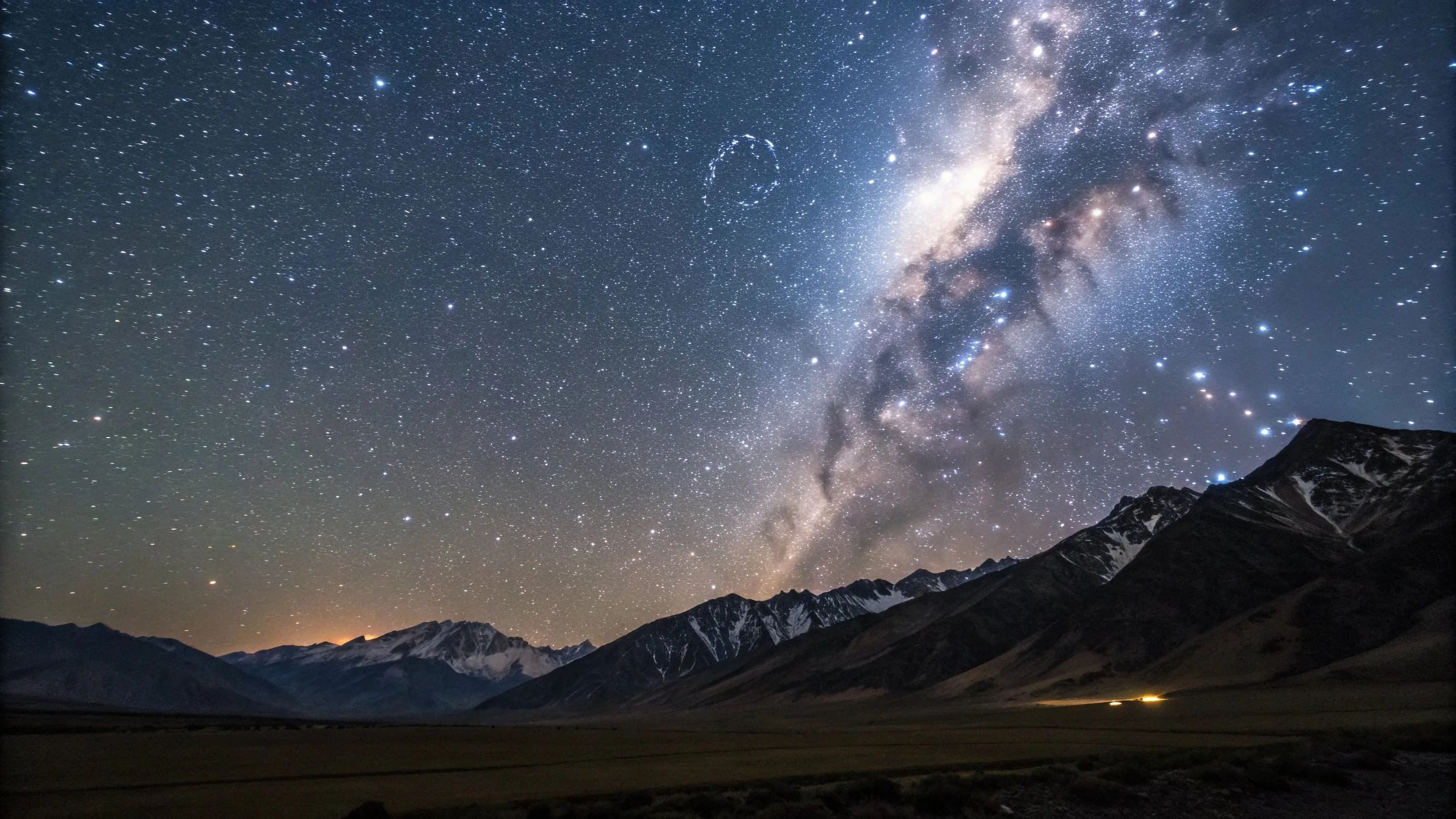
For most of human history, the night sky was a shared and universal, awe-inspiring experience: a source of navigation, scientific discovery, cultural meaning and wonder. Today, however, that experience is rapidly disappearing. Artificial light at night has transformed nocturnal environments so profoundly that the majority of humanity can no longer see the Milky Way from where they live. The ‘dark sky movement’ emerged in response to this loss, advocating for the protection and restoration of natural darkness as an essential environmental, cultural and public health resource.
‘Citizen science’ data show rapid global reductions in star visibility due to skyglow from artificial lighting, cities and even satellites (16).
7 — Designing for Darkness and Daylight Together
A Circadian Design Ethic
Healthy buildings require both bright days and dark nights - i.e. a cyclical rhythm between light level extremes. This demands a shift from static lighting targets to temporal and circadian lighting design.
Key principles include:
Ensuring sufficient morning and daytime daylight exposure for all spaces where people spend significant time in
Reducing blue-rich light in the evening
Ensuring genuine darkness in sleeping spaces
Considering smart lighting to automate circadian light level changes through the day
Incorporating comfortable outdoor spaces into buildings
Using EML (equivalent melanopic lux) in lighting design calculations
Equivalent Melanopic Lux (EML) is a lighting metric (referenced in the WELL Building Standard) which makes it possible to quantify how strongly light stimulates the human circadian system. Unlike conventional lux, EML is weighted to melanopsin, the photopigment in eyes that regulates circadian rhythms, alertness and hormone production (17). In simple terms, EML estimates the biological effectiveness of light.
According to Ulrike Brandi’s holistic lighting philosophy, architecture must balance aesthetics, lighting, nature, culture, orientation, sustainability, safety, atmosphere and the human need for darkness (18). She also discusses the concept of ‘lighting masterplans’.
In homes, it is possible to fairly easily change interior lighting and lifestyles to better support good circadian function. Many light fittings now exist that have been designed for circadian support to suit different times of the day. Smart lighting systems provide the added possibility to have lights automatically adjust for morning, day, evening and night-time light levels and colour temperatures, to simulate natural daylight. For best results a lighting designer should be consulted with but much can be achieved through individual research and DIY design also.
Practical Architectural and Management Strategies
For daytime:
Shallow floor plates, lightwells, atria, rooflights
High-transmittance glazing with adjustable external shading
Daylight-responsive automatic lighting controls (photosensors)
Workstation layouts near windows (with adjustable shading)
Comfortable outdoor environments to encourage time spent outdoors
Flexible work times, allowing time outdoors during daylight hours, to suit individual circumstances
Encouragement to have meetings, social events and presentations outdoors
Electronic ink screens with anti-glare finishes, to enable viewing of screens in daylight
Daylight-simulating artificial lights to supplement morning and daylight during dark seasons (e.g. winter in the UK)
Professional lighting design with a focus on circadian lighting principles.
Occupant survey to assess any lighting preferences and special needs of occupants.
For night-time:
Low-level, warm-spectrum lighting below 2700K (e.g. electric candles, red reading lights)
Elimination of unnecessary standby lighting
Blackout strategies for bedrooms
Outdoor lighting designed to avoid light pollution, save energy and be wildlife-friendly
Avoidance of late-night computer work and digital screen viewing. (Electronic ink screens can be viewed in red evening light, however, even with backlight turned off.)
Blue-light filters for screens and glasses (last resort, not as effective as light reduction)
8 — Multi-Disciplinary Approach
Who Should Be Involved?
Optimising biological darkness and circadian lighting for human health requires collaboration between:
Lighting engineers
Architects
Healthy building specialists
Building services engineers
Sustainability engineers and specialists
Occupational health professionals
Healthcare professionals
Sleep and circadian specialists
Environmental health scientists
Urban planners and policymakers
Building owners
Organisation leaders and decision-makers
Facilities managers
Ecologists
Biodiversity specialists
Interior Designers
Landscape designers
This is a systems problem, not just a product specification issue.
Resources and Further Reading
NBS: “Sustainability: An NBS guide to combating light pollution“
Ulrike Brandi: “Light Nature Architecture: A Guide to Holistic Lighting Design”, Birkhäuser, 2023
BRE:
The International WELL Building Institute:
The WELL Building Standard: WELL v2: Light Concept
Chartered Institute of Building Service Engineers (CIBSE): ‘LG07 Lighting for Offices’
British Standards:
BS EN 12464‑1:2021: “Light and Lighting — Lighting of Work Places, Part 1: Indoor Work Places”
BS ISO/CIE 8995-1:2025: Light and lighting. Lighting of work places - Indoor
BS EN 17037:2018 “Daylight in buildings”
Dani Robertson: “All Through the Night: One woman’s fight to protect our planet's nature and environment from the effects of light pollution” (book)
Forbes: Jamie Carter:
“Why Darkness And Stars Have Become A Luxury Only For The Elite—New Book“
“How New ‘Dark Sky Resorts’ Will Help The Growing Astro-Tourism Market“
RICS: Rights of Light
Conclusion
Biological darkness reveals an uncomfortable truth about modern progress. In our quest to banish night and illuminate every corner, we have disrupted a regulatory signal older than humanity itself, which regulates almost every cell in our body. Darkness is not a failure of design but a biological requirement.
Healthy, sustainable buildings must learn to choreograph light and dark with the same care given to structure and energy. This means designing days that are bright enough to anchor the circadian system and nights that are dark enough to let the body repair and reset.
The future of healthy architecture lies not in more light, but in wiser light. And sometimes, in the courage to switch it off.
Disclaimer:
We will not accept any liability for the use or misuse of this information. We can provide formal architectural advice only when appointed on a project.
Explore Next:
Discuss biological darkness with NUEN AI: NUEN AI - Healthy Buildings Intelligence tool.
-
1) Jan de Zeeuw, Claudia Nowozin, Martin Haberecht, Sven Hädel, Frederik Bes, Dieter Kunz: “Living in Biological Darkness III: Effects of Low-Level Pre-Midday Lighting on Markers of Depression in Healthy Subjects”, Journal of Psychiatric Research, vol 193, 2026, pp. 1-7, ISSN 0022-3956
2) Nowozin, C., Wahnschaffe, A., de Zeeuw, J., Papakonstantinou, A., Hädel, S., Rodenbeck, A., Bes, F. and Kunz, D. (2025): “Living in Biological Darkness II: Impact of Winter Habitual Daytime Light on Night-Time Sleep”, European Journal of Neuroscience, 61: e16647
3) Chartered Institute of Building Service Engineers (CIBSE): ‘LG07 Lighting for Offices’ recommends: 300-750 lux for an office, in line with the British Standards. The Health and Safety Executive (HSE) refers to CIBSE guidance in “HSG38 Lighting at Work” [accessed 29.1.2026]
4) Kaczmarska, P., Rudzinska-Bar, M., “Dysfunctions of Sleep and the Circadian Rhythm in Huntington’s Disease” in Frontiers of Neurology, 07 November 2025, Sec. Dementia and Neurodegenerative Diseases, vol 16 - 2025: "Bright light therapy (BLT) is a non-pharmacological method for regulating circadian rhythms. [...] Standard parameters for BLT include a light intensity of 10,000 lux.""
5) Jeongah Kim, Sangwon Jang, Han Kyoung Choe, Sooyoung Chung, Gi Hoon Son, Kyungjin Kim: “Implications of Circadian Rhythm in Dopamine and Mood Regulation”, Molecules and Cells, vol 40, Issue 7, 2017, pges 450-456, ISSN 1016-8478
6) Akhilesh B. Reddy, Elizabeth S. Maywood: “Circadian Rhythms: Per2bations in the Liver Clock”, Current Biology, vol 17, Issue 8, 2007, pages R292-R294, ISSN 0960-9822
7) Josephine Arendt, PhD: “Melatonin: The Darkness Hormone and its Uses”, Issue 04, Dec 2020, Center for Environmental Therapeutics (CET)
8) A.J.K. Phillips, P. Vidafar, A.C. Burns, E.M. McGlashan, C. Anderson, S.M.W. Rajaratnam, S.W. Lockley, S.W. Cain: “High Sensitivity and Interindividual Variability in the Response of the Human Circadian System to Evening Light”, PNAS (Proceedings of the National Academy of Sciences in the U.S.A), 116 (24) 12019-12024, (2019)
9) J.P. Hanifin, S.W. Lockley, K. Cecil, K. West, M. Jablonski, B. Warfield, M. James, M. Ayers, B. Byrne, E. Gerner, C. Pineda, M. Rollag, G.C. Brainard: “Randomized Trial of Polychromatic Blue-Enriched Light for Circadian Phase Shifting, Melatonin Suppression, and Alerting Responses”, Physiology & Behavior, vol 198, 2019, pages 57-66, ISSN 0031-9384
10) Nelson RJ, Chbeir S. “Dark Matters: Effects of Light at Night on Metabolism”, Proceedings of the Nutrition Society, 2018; 77(3):223-229. doi:10.1017/S0029665118000198
11) The WELL Building Standard, v2, ‘Light’ Concept, L03 Feature: ‘Circadian Lighting Design’
12) de Zeeuw J, Papakonstantinou A, Nowozin C, et al: “Living in Biological Darkness: Objective Sleepiness and the Pupillary Light Responses Are Affected by Different Metameric Lighting Conditions during Daytime”, Journal of Biological Rhythms. 2019;34(4):410-431. doi:10.1177/0748730419847845
13) Kawasaki, A., Wisniewski, S., Healey, B. et al.: “Impact of Long-Term Daylight Deprivation on Retinal Light Sensitivity, Circadian Rhythms and Sleep During the Antarctic Winter”, Scientific Reports, 8, 16185 (2018)
14) BS EN 12464‑1:2021: “Light and Lighting — Lighting of Work Places, Part 1: Indoor Work Places”, Nov 2024
15) Baek JH, Zhu Y, Jackson CL, Park YM.: “Artificial Light at Night and Type 2 Diabetes Mellitus”, Diabetes Metab J. 2024;48(5):847-863
16) Christopher C. M. Kyba et al.: “Citizen Scientists Report Global Rapid Reductions in the Visibility of Stars from 2011 to 2022”, Science 379, 265-268 (2023)
17) Daniela P.A. Marins, Wesley S. Costa, Bruno P. de S. Rocha, Jordano R. Celestrini, Cristina E. de Alvarez, Marcelo E.V. Segatto: “Low-Cost Chronobiological Monitoring: A Tested IoT-Enabled Diagnostic Tool in Tropical and Antarctic Environments”, Internet of Things, vol 29, 2025, 101475, ISSN 2542-6605
18) Ulrike Brandi: “Light Nature Architecture: A Guide to Holistic Lighting Design”, Birkhäuser, 2023