
What Is a Healthy Building?
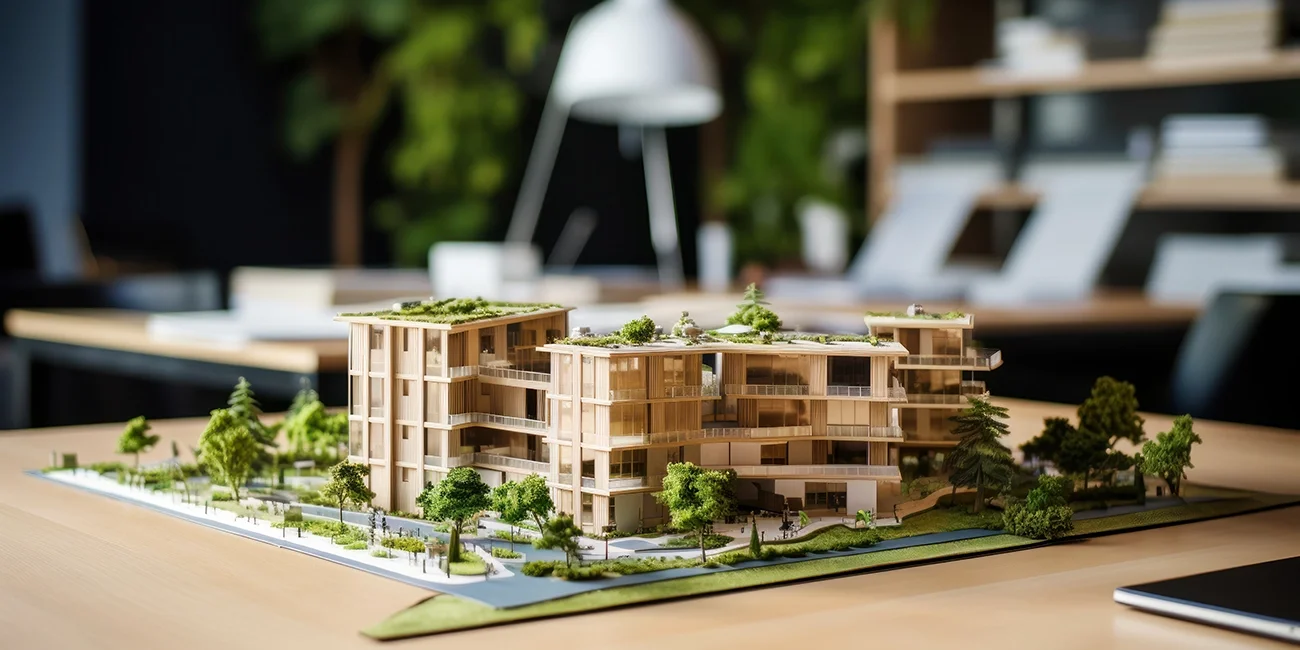
A healthy building is a space intentionally and strategically designed to enhance the health, comfort and performance of its occupants. This concept integrates principles from architecture, building science, environmental health, other health sciences and environmental psychology to create environments that promote wellbeing. Unlike approaches to building design that prioritise minimum-compliance and aesthetics, healthy buildings prioritise human wellbeing through various design and operational strategies.
A healthy building is one that is intentionally designed, operated and maintained to:
Do no harm to human or planetary health
Actively optimise physical, mental and emotional wellbeing
Support performance, recovery, creativity and inclusion
Regenerate rather than deplete environmental systems
Healthy buildings integrate:
Wellness-promoting, innovative architecture
Building science
Environmental health research
Public health principles
Environmental psychology
Systems thinking
Sustainable and regenerative design
Healthy buildings sit at the intersection of architecture, public health and sustainability, and should be viewed as fundamental human infrastructure rather than optional enhancement.
Healthy buildings are dynamic systems - continuously interacting with the equally complex system of the human body. When these systems are aligned, people thrive. When they are misaligned, symptoms emerge.
Core Components of a Healthy Building
Below are the foundational components of a health-optimised environment.
1. Air Quality
High-quality indoor air is essential for health. Healthy buildings utilise ventilation systems that provide adequate fresh air, control humidity levels and minimize pollutants, such as volatile organic compounds (VOCs) and particulate matter. Implementing systems to bring in sufficient fresh air, air purification technologies and selecting low-emission and/or non-toxic materials further enhance IAQ.
Air is our most immediate biological requirement. We breathe approximately 20,000 times per day.
Healthy buildings:
Provide adequate fresh air through well-designed ventilation
Control humidity
Reduce air pollutants, such as volatile organic compounds (VOCs) and particulate matter
Avoid mould risk through proper moisture design
Use low-toxin materials and finishes
Incorporate filtration where necessary
Etc.
Poor indoor air has been linked to respiratory symptoms, fatigue, cognitive decline and increased absenteeism.
2. Thermal Health
Maintaining optimal temperature and humidity levels ensures occupant comfort, improves energy and productivity, helps recovery and reduces stress. Careful heating, ventilation and air-conditioning design; building materials that regulate thermal conditions; allowance for thermal therapies; solutions to overheating; and adaptable personalised environments contribute to a healthy indoor environment.
Healthy thermal environments:
Avoid overheating and excessive cold
Prevent cold bridges and condensation risk
Maintain stable yet adaptable thermal conditions
Consider radiant heating solutions
Address individual thermal differences
Integrate passive design principles where possible
Etc.
Temperature affects metabolism, sleep quality, cardiovascular strain and mental performance. Thermal design is not simply about comfort — it is also about stress physiology and energy regulation.
3. Lighting and Views
Access to natural light and views of nature positively affect mood, circadian rhythms and productivity. Healthy buildings incorporate daylighting strategies and provide visual connections to the outdoors. Electric lighting is designed to cater for different tasks, moods, atmospheres and special needs; and the biological and hormonal effect of lights — the circadian rhythm — is also optimised.
Healthy buildings:
Maximise safe daylight exposure
Provide views of nature
Reduce glare
Integrate circadian-responsive lighting design
Adjust lighting for task, mood and age-related needs
Minimise light pollution
Etc.
Access to daylight and biophilic views has been linked to improved mood, faster recovery and enhanced cognitive performance.
Light governs our biological clock, hormone production, emotions and sleep cycles.
4. Sound, Acoustics, Noise, Hearing, Music
Acoustic comfort is achieved by minimising unwanted noise and enhancing sound quality within spaces. This involves sound-insulating materials, specific detailing, assessment of soundscapes and thoughtful spatial planning to optimise for healthy sound environments specific to the personal preferences of the occupants.
Healthy acoustic environments:
Minimise unwanted noise
Optimise acoustics for sound quality and/or silence
Support speech clarity in workplaces and schools
Consider personal sensory sensitivities and acoustic diversity
Incorporate soundscapes
Consider therapeutic effects of music
Etc.
Acoustic comfort is especially critical for neurodivergent individuals and inclusive environments. Noise pollution elevates cortisol levels, impairs focus and disrupts sleep. Soundscapes and music can be utilised for therapy, atmospheres and to regulate emotions.
5. Water Quality
Ensuring access to clean and safe water is fundamental. Healthy buildings regularly monitor water quality to prevent contamination. Triggers to drink water can be incorporated into the design to make sufficient hydration a more automatic habit. Blue spaces and features can be incorporated in the design in terms of water features, images of water or art referring to it, blue roofs, rainwater collection, etc. Flood risk has to be assessed and mitigated against where necessary. Therapeutic effects of water can be appreciated and designed for, such as spa-like environments, steam saunas, etc.
Water for healthy buildings means:
Ensure good drinking water quality
Use filtration where necessary
Monitor for contamination risk
Assess flood and storm resilience risk
Encourage hydration through design cues
Incorporate therapeutic and psychological benefits of water
Manage building moisture and condensation
Use water efficiently for a healthy planet
Etc.
Blue infrastructure - rainwater harvesting, water features, sustainable drainage - also contributes to climate resilience and ecological balance.
6. Healthy Materials
Healthy material strategies for buildings include:
Preference for natural and regenerative materials, where feasible
Locally sourced, circular, cradle-to-cradle, material re-use considered
Low-emission finishes
Tactile qualities considered
Safe workmanship practices
Etc.
7. Avoidance of Toxins and Hazardous Materials, Microbes
Avoidance of legacy materials which have been deemed unsafe. Avoidance of pollution in air, water, ground, materials, products. Healthy construction practices for working with materials. Minimising and considering alternatives for materials that are harmful to the planet, such as plastics, cement, concrete, steel, etc. High ventilation rates for microbe spread control. Continuous monitoring and testing.
8. Safety and Security
Designing for occupant safety includes implementing secure entry systems, emergency preparedness plans and materials that reduce injury risks. As a bare minimum the Building Regulations and Health and Safety Executive (HSE) guidance is to be followed but more specific safety and security assessments can also be undertaken depending on client preferences and any special needs. ‘Secured by Design’ principles can also be taken into account.
Beyond compliance, healthy buildings:
Consider diverse physical and neurological safety needs
Promote equitable access
Create psychologically safe environments
Etc.
9. Hygiene, Dust, Ease of Maintenance, Minimalism and Pest Control
Regular cleaning, pest management strategies and the use of materials that resist dust accumulation contribute to a healthier indoor environment. Healthy building cleaning strategies can be implemented, including non-toxic cleaning products. Healthy and safe pest control practices should be prioritised.
10. Additional Categories to Consider
Additional categories that can be considered in relation to healthy building design include:
Features and facilities to promote exercise, movement, activity, mobility and stretching
Spatial support for mental health, happiness and productivity
Spaces that promote human interaction, culture and creativity
Integration of nature and biophilia into the built environment
Promotion of multi-sensory environments, assessing spaces in terms of all senses
Kitchens, restaurants and canteens that make healthy nutrition easier
Healthy electromagnetic environments
Design of atmospheres and experiences
Support for optimum sleep and recovery
The microbiome of the build environment (emerging field)
Resilience, emergency-preparedness
Smart technologies for building performance
Healthy cities, regions and communities
Healthy planets, environmental sustainability
Formal certification for healthy buildings, such as WELL, Fitwel, BREEAM or LEED.
Disclaimer:
We will not accept any liability for the use or misuse of this information. We can provide formal architectural advice only when appointed on a project.
Explore Next:
Discuss healthy buildings with NUEN AI: NUEN AI - Healthy Buildings Intelligence tool.